
Interventional radiology can help with poor leg circulation when medications aren’t enough
When you’re dealing with poor leg circulation due to peripheral artery disease (PAD) or venous insufficiency, medications and lifestyle changes can often help manage the symptoms. However, prescriptions and measures like wearing compression stockings aren’t always enough. When this happens, interventional radiology for leg circulation may be able to help.
Preston Smith, MD offers minimally invasive treatments for vascular diseases and PAD at Summit Interventional Radiology. These innovative interventional radiology (IR) options use imaging and tiny incisions to improve blood flow and symptoms.
When does poor leg circulation benefit from interventional radiology?
Some people with PAD or venous insufficiency notice major improvements from medications and subtle lifestyle modifications. However, other patients need a little more support. The following signs suggest that poor leg circulation isn’t improving from basic treatments.
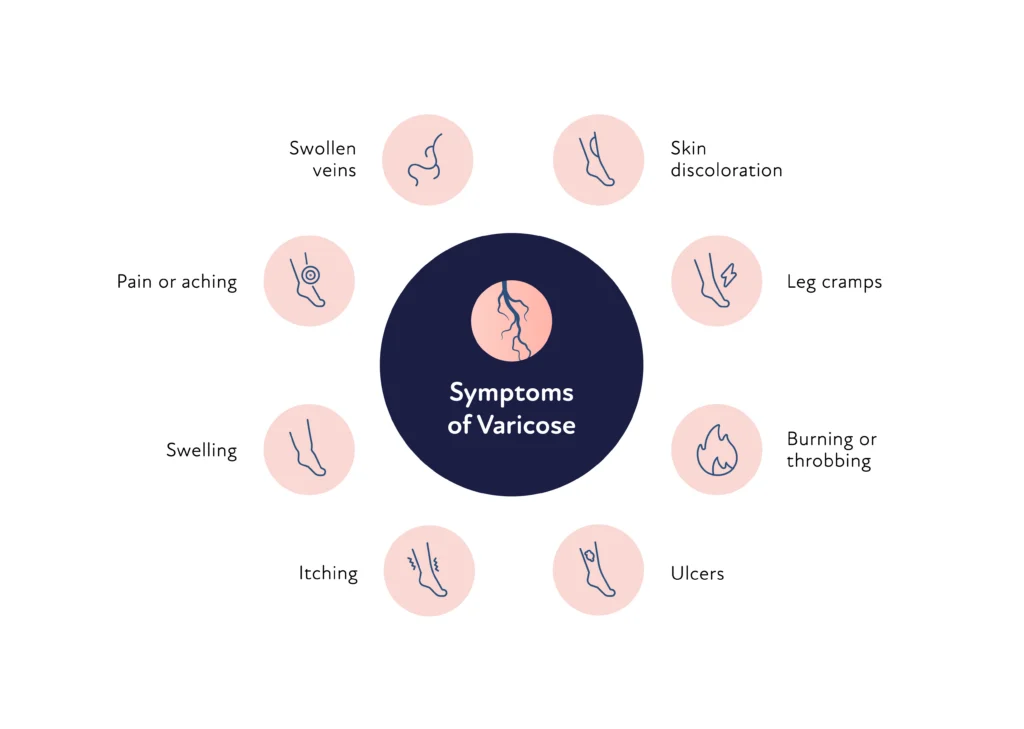
- Your legs, feet or toes ache or burn, even when you sit or lie down.
- You notice symptoms like leg hair loss; cold feet or toes; or pale, bluish skin.
- Your skin develops sores and ulcers that heal slowly or refuse to heal at all.
- You experience sudden blood clots or severe lack of blood flow to your tissue.
- Your legs swell and feel heavy due to pooling blood in the lower extremities.
If you have these symptoms, even with lifestyle changes and medications, interventional radiology for leg circulation might be able to help.
What are options for interventional radiology for leg circulation?
Before recommending any treatments, our Austin interventional radiologist first meets with patients to discuss their symptoms and current treatment plan. From there, Dr. Smith can recommend the best IR treatment for poor leg circulation.
Angioplasty uses inflatable devices to open narrow arteries. Interventional radiologists make a tiny incision and use imaging to thread a tiny balloon through the blood vessels. Upon reaching the blockage, the specialist inflates the balloon. This widens the artery to improve blood flow.
Stenting sometimes occurs after angioplasty. It involves a similar procedure. However, instead of placing a balloon in the artery, the interventional radiologist places a tiny mesh tube in the artery to help it remain open.
Catheter-based thrombolysis or thrombectomy is often an emergency treatment. A thin tube delivers medication to dissolve the blood clot (thrombolysis) or removes the clot (thrombectomy). Other procedures may be needed after these to prevent future complications.
Dr. Smith can recommend the best IR treatment for your poor leg circulation so that you receive customized care to improve your leg symptoms. At every step of the way, Dr. Smith works with you to make sure these advanced, minimally invasive treatments meet your goals as a patient.
Summit Interventional Radiology is accepting new patients and offers convenient appointments for busy schedules. Contact us today to schedule a visit and learn more about interventional radiology for leg circulation.